
A book about existential wounds
Wounded
Before you knew who you were, something told you who you weren’t.
Eight wounds. One of them has been writing your story. Thirty minutes to find out which. A book to explain the rest, coming soon.
What is an existential wound?
This book is about existential wounds. Wounds because they are something that happened to us, not something we were born with. Existential because they do not only hurt emotionally, they shape our felt sense of who and what we are.
They seep into every interaction. They stalk us when we are alone. They teach us what life is, what love is, what safety is, what a self is allowed to be. They teach us whether our needs matter, whether our agency is dangerous, whether closeness can be trusted, and whether it is safe to be here as we actually are.
The point is that you are more fundamentally okay than your adaptations have allowed you to feel.
The framework
The Eight Wounds
Select any wound to see its shape, what was missing, and how it tends to show up in adulthood.
Wound one of eight
Abandonment
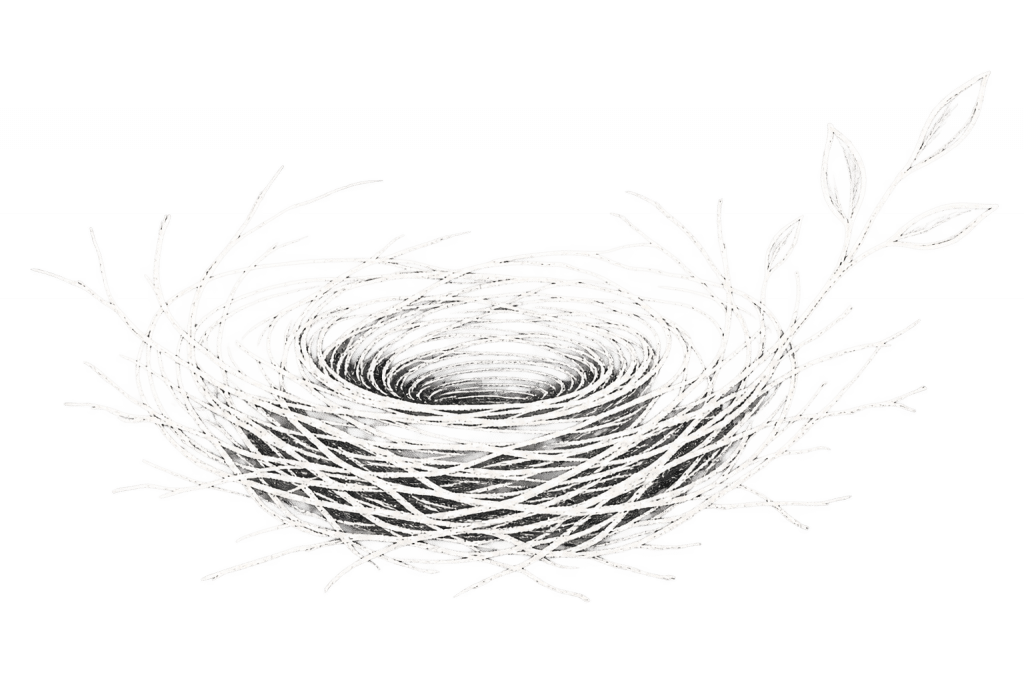
Connection exists, but cannot be trusted to stay.
The parenting pattern
The parent is emotionally or physically present at times, and then gone. Disappearance, withdrawal, or sudden shutdown goes unexplained, and the connection is not repaired. When the loss is permanent, the child is left without adequate help making sense of it or grieving.
What’s missing
Predictable availability. The confidence that the bond holds even when things are hard, and that separation or conflict will be followed by reconnection.
In adulthood
You may watch closely for signs that someone is pulling away, finding reassurance hard to trust. Some people pursue closeness to prevent loss; others withdraw first so that being left cannot catch them by surprise.
Answer the questions
Which wound resonates?
Some statements ask about your childhood, some about your life now. Answer for how things actually were, and how they’ve mostly been, not how you wish they were.
There are no right answers. This is a self-reflection, not a diagnosis. The point is recognition, not a label.
The assessment
120 statements, about 30 minutes
Your progress saves — stop and come back
You'll see the patterns that stood out, with a short description of each
Confidential. This quiz is part of ongoing research connected to the book Wounded.
Questions? Contact info@woundedbook.com